
How to prepare and answer Civil Service Strength Questions
Civil Service Strength‑Based Interviews & How to Prepare
1. What Strength‑Based Interviews are:
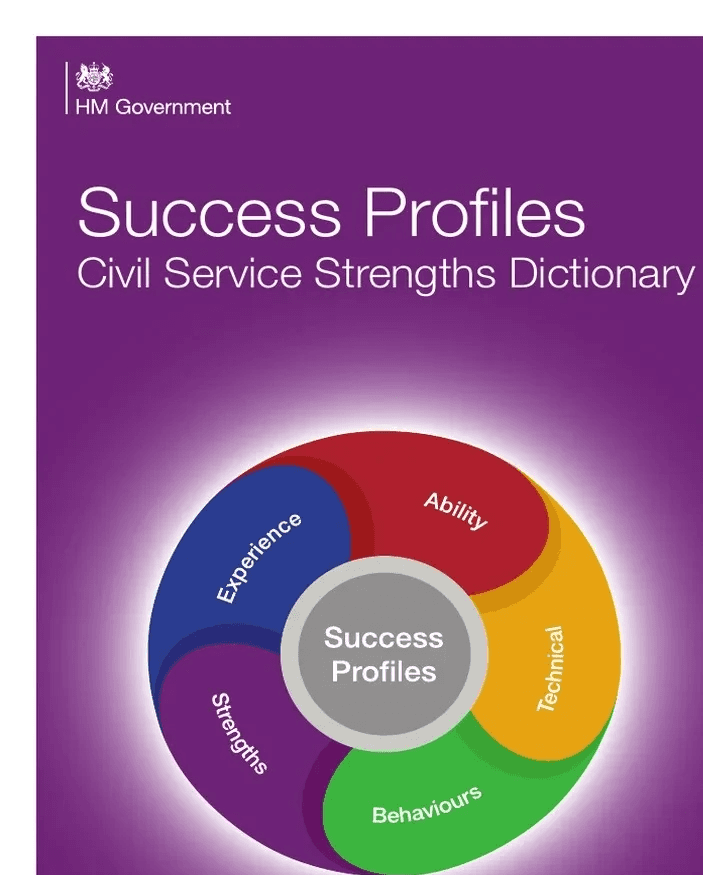
Civil Service recruitment uses the Success Profiles framework, which includes: Behaviours, Strengths, Ability, Technical Skills, and Experience. Strengths matter because they underpin behaviours. If a strength comes naturally to you, you’re more likely to perform the related behaviour well and consistently.
2. Why Strengths are used:
Strength‑based questions help interviewers understand:
What you naturally enjoy doing
What motivates you
What you avoid
How you think, feel, and react
The idea: people perform better and are happier when working in roles aligned with their natural strengths.
3. How Panels Identify Natural Strengths:
Interviewers look for three indicators:
Performance – you can do it well
Engagement – you feel energised when doing it
Use – you do it frequently
They expect positive body language, natural enthusiasm, and a brief supporting example.
4. Preparing for Strength‑Based Questions:
Although questions are harder to predict, preparation is still essential:
Identify strengths linked to the job’s competencies (using the Civil Service Strengths Directory).
Reflect on which strengths come naturally to you.
Prepare short examples showing why you enjoy those strengths.
Identify strengths you don’t naturally enjoy.
Prepare examples showing how you’ve used them and how you make them positive.
Answers should be 60–90 seconds, energetic, and supported by a short example (not STAR).
5. Calibration Questions:
Panels often begin with questions that reveal your natural enthusiasm baseline, such as:
What motivates you at work
What you least enjoy
Something you recently enjoyed doing
These help them “calibrate” your energy levels for later questions.
6. Examples of Strength‑Based Questions
Questions won’t name the strength directly. Examples include:
Analytical: “Would others say you enjoy reviewing detailed information?”
Adaptable: “When plans are derailed, how do you feel?”
Disciplined: “How do you ensure consistently high‑quality work?”
Inclusive: “How have you shown commitment to diversity?”
Resilient: “What helps you bounce back from setbacks?”
Influencer: “How do you feel when persuading resistant people?”
…….and many more across the 36 Civil Service strengths.
7. Communication Style & Body Language
Panels score:
Positive, open body language
Engaging tone
Leaning forward rather than away
Natural enthusiasm
These signals help them judge whether a strength is genuinely “you”.
8. Final Preparation Steps
To succeed:
Identify your natural strengths and prepare examples.
Analyse the job description to match strengths to competencies.
Anticipate possible questions and rehearse your reactions.
Practise speaking with energy and conviction.
Keep answers short, focused, and always include an example.

